
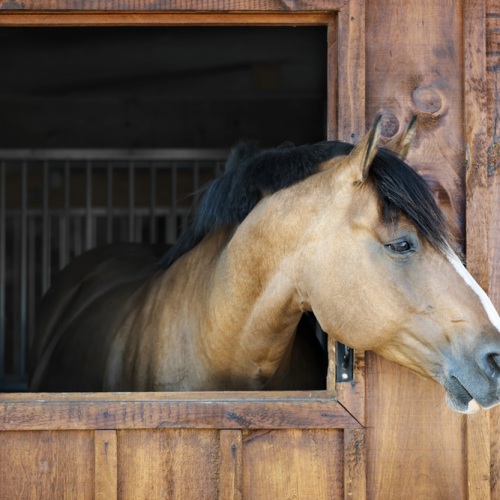
Horses are intelligent, loyal, and can form deep bonds with the people they know. Because of their sensitivity, it is especially important that they have a place to live where they feel comfortable. However, when you are designing a horse barn, you need to consider not just the needs of your horse but also your own needs in taking care of them. At Rooster’s Amish Sheds in Bunker Hill, WV, we know that well-thought-out horse barns provide adequate space, ventilation, safety, and convenience, promoting a harmonious environment for both horses and humans.
Depending on the weather, you can keep your horse or horses turned out for the majority of the year, but that doesn’t mean you can leave them without shelter. Even if you’re someone who keeps their horses turned out through the winter, you’ll know that they need something that will be a refuge from the more extreme weather in the winter and from the blazing sun in the height of summer.
Horse Barns: The Right Location
Selecting an appropriate site for the barn is an exceptionally important part of the process. The location should provide natural drainage to prevent water pooling, as standing water can lead to structural issues, mold, and muddy conditions around the barn. Elevating the barn or building on a slight slope helps facilitate drainage, especially during heavy rain.
The site should also allow for good airflow, which will naturally improve ventilation and reduce issues with mold and dust. Positioning the barn to face prevailing winds can keep the area cooler in summer while helping to reduce odors and airborne dust particles. The placement of a barn within a field or between fields can also influence the ease of turning out your horse or horses. All in all, it’s worth spending enough time on this step to make sure that you’re happy with your location decision.
Stalls and Flooring
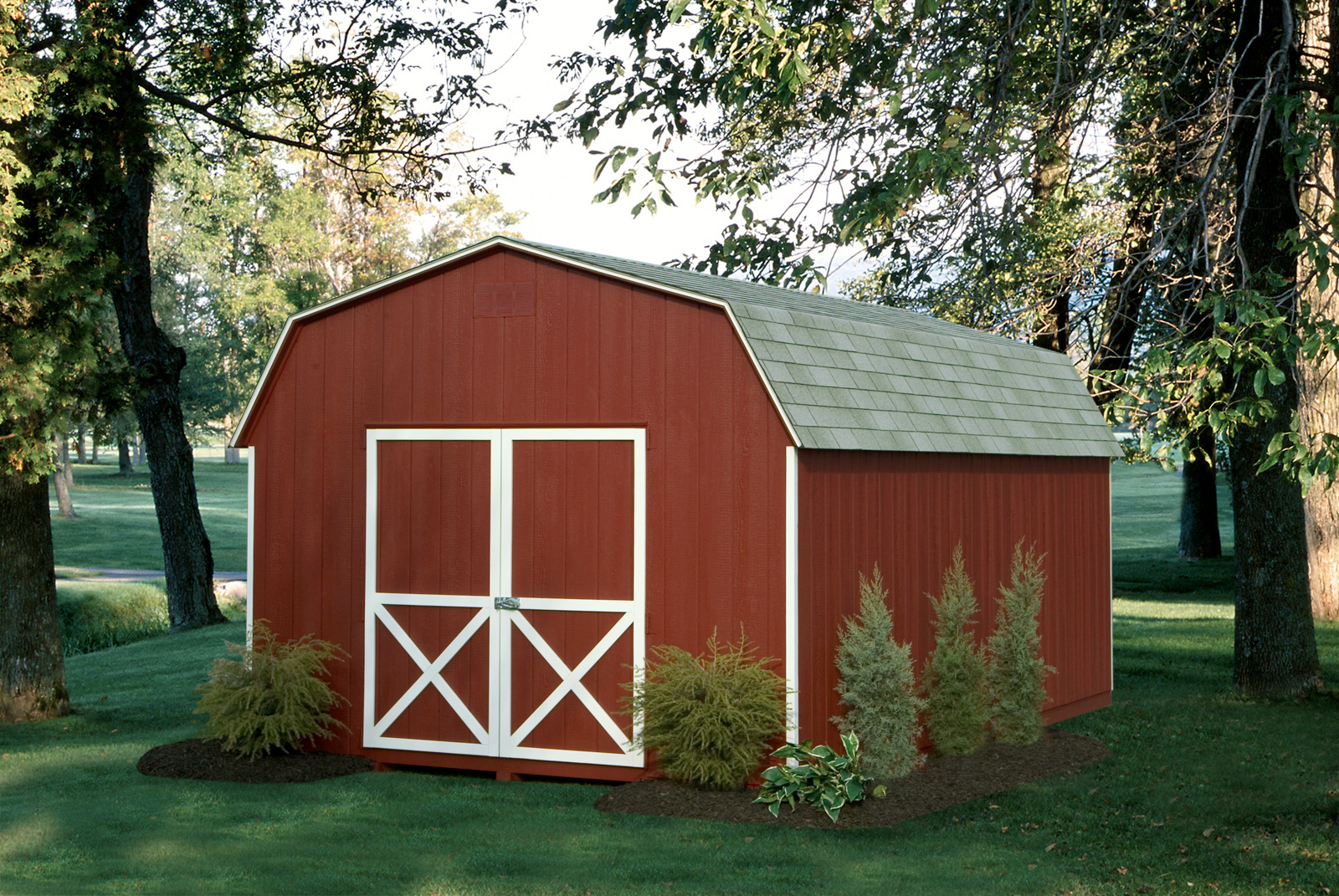
Stall size is crucial for horses’ comfort. Most experts recommend at least 12×12 feet per stall for average-sized horses, but a larger stall may be needed for bigger breeds or pregnant mares. The walls should be sturdy and smooth to prevent injuries from kicking or rubbing. Hardwood, treated lumber, and even high-density plastic are popular choices, as these materials are durable and resistant to damage.
Flooring is also important; we recommend rubber mats for stall floors, as they decrease the likelihood of slipping. The rubber also provides cushioning and can be very beneficial for horse joints, especially during times of bad weather when they may be spending more time indoors. You’ll also want to make sure that the barn has good drainage systems to make sure that floors don’t stay wet, which can cause damage to horses’ hooves.
The stall doors can be either swinging or sliding, but sliding doors are generally safer and take up less space. You want to choose a strong material for your door with a sturdy latch that can’t be accidentally opened by curious equine noses.
Ventilation and Air Quality
Horses are sensitive to dust, mold, and ammonia odors, which makes proper ventilation a necessity in your horse barn. You want to make sure that there is continuous airflow to minimize respiratory risks. Windows, ridge vents, and cupolas help to draw fresh air in and move stale air out. Keeping ceilings high and providing space above stalls for air circulation are also important steps for reducing heat and improving air quality.
If natural ventilation isn’t sufficient, fans can help to circulate air, particularly during hot weather. Ceiling fans or wall-mounted fans should be out of reach of the horses and designed for safety, ideally encased in protective cages.
Lighting
Proper lighting in a horse barn serves two main functions: safety and comfort. Maximizing the amount of natural light is ideal, as it is easy on horses’ eyes and helps regulate their natural rhythms. Having large windows or skylights can reduce the need for artificial lighting during the day. Additionally, a well-lit barn creates a more inviting atmosphere and is going to make it easier to face that daily messing out.
For artificial lighting, you should choose fixtures that are durable, enclosed, and rated for barn environments to prevent potential electrical hazards. LED lights are an energy-efficient choice and provide consistent illumination. Don’t forget to make sure that the light switches are installed out of reach of your horses.
Water and Feeding Systems
Access to clean, fresh water is essential in any barn. You can run water into the barn, even installing an automatic waterer in the stalls if you want. If not, then don’t worry; the watering bucket is a classic for a reason.
For feeding, wall-mounted hay racks and grain feeders keep feed clean and off the floor, reducing waste, potential ingestion of sand or dirt, and the risk of attracting pests. Placing feeders at a comfortable height allows horses to eat with minimal strain, while feeding systems that mimic natural grazing can encourage slower, more relaxed eating.
Tack and feed rooms
Tack rooms store valuable equipment and should be secure, organized, and easy to access. Hooks, racks, and shelves keep saddles, bridles, and other equipment off the floor and in good condition. Tack rooms should be kept dry and well-ventilated to prevent mold growth on leather items.
A separate feed room keeps hay, grain, and supplements organized and safe from pests. Feed rooms should be cool, dry, and securely closed off from horses to prevent overeating or access to foods that could be dangerous. Storing hay properly, away from potential sparks, and in a well-ventilated area reduces the risk of spontaneous combustion.
Barns naturally attract pests like flies, rodents, and birds, but taking proactive measures can help minimize their impact. Using screens on windows and doors, installing fly traps or fans, and regularly cleaning stalls are effective methods to control flies. To deter rodents, keep feed in tightly sealed containers and dispose of waste properly.
Storage for Equipment and Supplies
A well-organized barn has designated spaces for feed, bedding, tools, and cleaning supplies. Storage areas allow for easy access and help keep the barn uncluttered and safe. Organizing feed bags, hay bales, and tools prevents accidental tripping and reduces fire hazards.
Fire Safety Precautions
Fires are one of the most significant risks in a barn, so you should consider fire safety in your barn design. It can be a good idea to use fire-resistant materials where possible, such as metal roofing and siding. Keeping electrical wiring enclosed and using fixtures rated for barns helps prevent accidental sparks. It’s also important to install smoke detectors and have fire extinguishers on hand in case of emergency.
Designing a horse barn that’s safe and comfortable requires attention to both the needs of the horses and the caretakers. If you’re looking to build an efficient, functional space, then we can help. Get in touch with us at Rooster’s Amish Sheds in Bunker Hill, WV, to find out more about your options to enhance the daily life of your horses and make barn management easier and more enjoyable.
