
Weatherproofing means building and taking care of your outdoor structures so they can stand up to wind, rain, snow, sun (UV rays), and rot from nature. It also helps the structure keep working and looking good. This guide will show you proven ways to protect your shed’s base, choose the right roof, seal and paint it, add air flow and insulation, do seasonal upkeep, and pick the best materials.
All of this helps your outdoor structures last longer and stops water from getting in and causing rot. People living in the Eastern Panhandle of WV and surrounding areas deal with snow, freezing and thawing rain, high moisture, high winds, and strong summer sun. This article gives strong tips made for these tough conditions.
Protect Your Outdoor Structures’ Base from Water and Rot
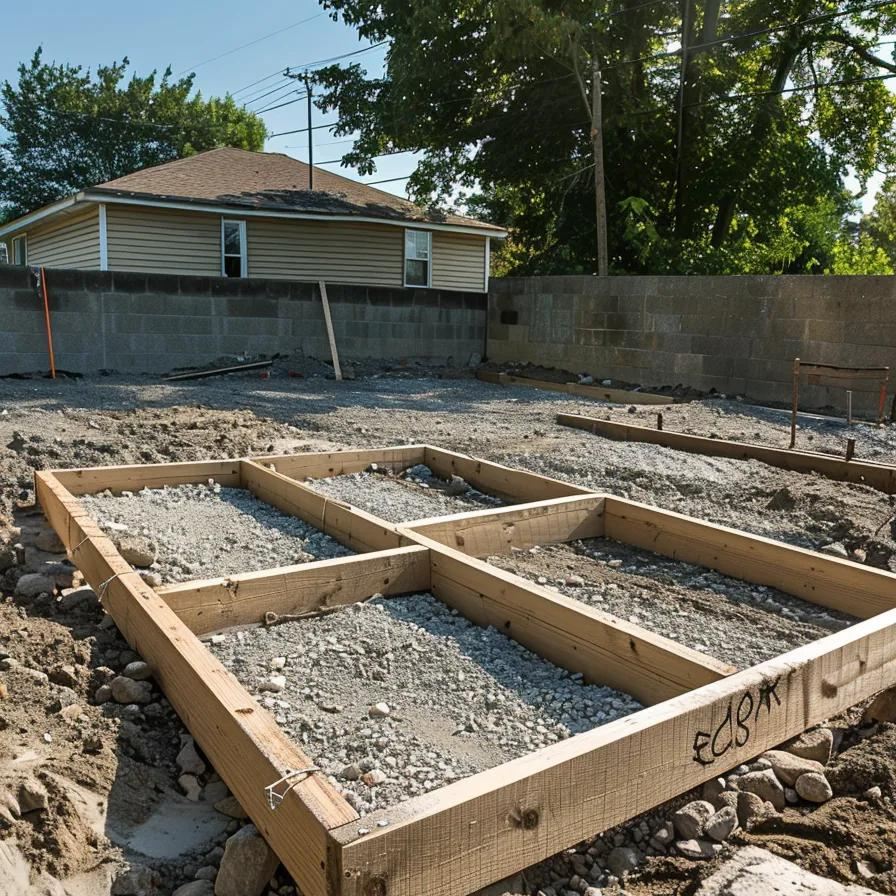
A shed’s base (foundation) keeps the building safe from ground water and bugs in the soil. It does this by lifting the floor, giving a strong base, and sending water away from the shed’s frame. A good foundation stops water from soaking up into the wood, keeps wood from touching the soil directly, and spreads the weight evenly. This stops the shed from sinking and rotting.
The right base holds up the shed and lets water drain away. Choosing between concrete, piers (posts) or skids (beams), and gravel depends on your soil, how deep the ground freezes, how easy it is to get to the spot, and your budget. Here are the best things to do right away and for long-term strength, before you put up the walls and floor.
The most important first steps are easy to do:
- Make the ground around the shed slope away from it. It should drop at least 1 inch for every foot, for the first 3–5 feet.
- Lift the floor using treated skids, posts, or a gravel bed. Put a continuous plastic sheet (moisture barrier) under the floor.
- Add drainage around the shed. Use gutters, downspouts, and a French drain (a trench with a pipe) or a shallow ditch (swale) to keep ground water away from the base.
These steps stop water from sitting around and touching the soil, which makes rot happen faster and attracts pests. Different types of bases work best for different soils and uses. The table below shows the pros and cons to help you decide.
| Base Type | How Hard to Install | Best Use & Good/Bad Points |
|---|---|---|
| Concrete Slab | Hard | Best for buildings that won’t move and heavy things; great at stopping water but costs more and can’t be moved. |
| Raised Skids / Posts | Medium | Good if you might move the shed or if the ground isn’t flat; keeps wood off the soil but needs to be tied down well and have air flow. |
| Gravel Pad with Water Barrier | Easy | Costs less, lets water drain, and stops water from soaking up; needs to be packed down well and checked sometimes. |
This table helps you see how your yard and what you plan to use the shed for will guide your choice between how permanent it is, how much it costs, and how well it stops water. Once you pick a base, the next part explains how to raise and waterproof it during setup.
How to Best Lift and Waterproof Your Shed’s Base
Lifting your shed separates its wood parts from wet ground and lets air move under the floor. This lowers the chance of rot. Common ways to lift a shed include using treated wooden beams (skids), concrete posts (piers), or pressure-treated wood pieces (sleepers). Each way supports the shed’s weight differently and needs to be properly tied down so it doesn’t lift or move.
Put a continuous plastic sheet (vapor barrier) or stiff insulation right under the floor. Also, add a 4–6 inch layer of crushed stone underneath to help water drain and stop mud from pushing up. If you use treated wood sleepers, attach the floor joists (support beams) above the treated surface and seal the ends of the joists with proper metal strips (flashing) to stop water from soaking up. Lifting the shed also makes it easier to check for early signs of water or pests, which brings us to the next topic about drainage systems.
How Drainage Systems Like French Drains Help Your Shed Last Longer
French drains and sloping the ground (surface grading) move water away from under and around your shed. This lowers the pressure from water and stops the ground from getting too wet during certain seasons, which can cause the shed to lift or rot. A French drain is a trench filled with gravel that has a pipe with holes in it. It catches water underground and sends it to a safe place.
It works well for places where the water level in the ground is high or where surface water doesn’t drain well. Other options include shallow ditches (swales), longer downspout pipes, and better ground sloping. All of these need a clear path for water to leave and should be checked often for dirt buildup. Regular care includes rinsing downspouts, cleaning out leaf traps, and looking for soft spots near the shed’s corners. Fixing problems early stops damage that could weaken the base and nearby walls.
We different base options and special base solutions that follow these best methods. This includes raised skid systems and strong posts for ground that isn’t flat. We can give quotes for specific bases and advice on site to match how deep the ground freezes and what kind of soil you have. If you need a special base or an estimate for local setup, we’ll look at your choices and suggest a base that fits your property and how you plan to use it.
What Roofs Are Best for Outdoor Structures to Stand Up to Weather?
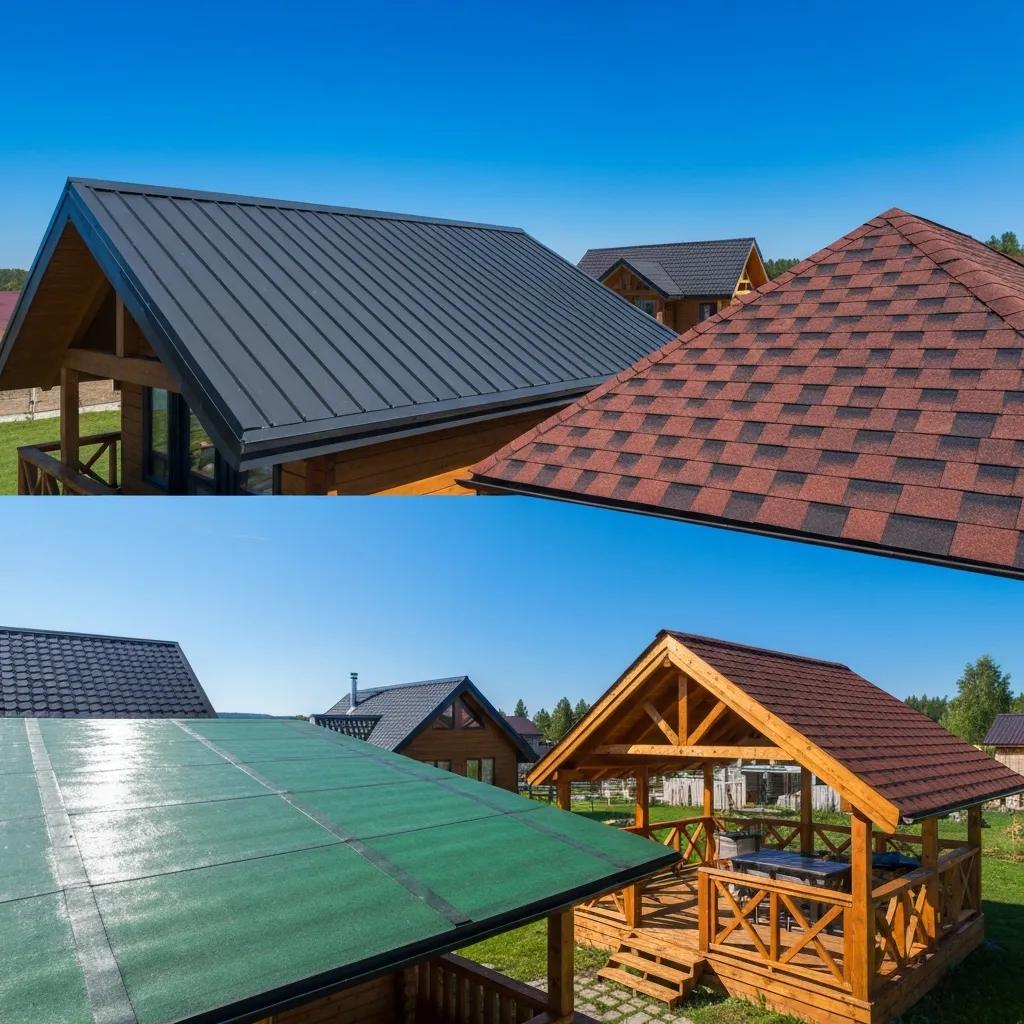
A shed roof needs to discard water, hold up under snow, block the sun’s rays (UV), and keep its fasteners (nails/screws) from failing. The type of roof material and how steep the roof is (pitch) decide how well it works.
Metal roofs, asphalt shingles, and rubber membranes (like EPDM or TPO) each meet different needs. Metal works great in snow and sun. Shingles look good and don’t cost as much upfront.
Rubber membranes are good for roofs that are almost flat or have a very low slope. The roof’s slope and frame must be strong enough for the amount of snow expected in your area. Also, metal strips (flashing), vents at the roof’s peak, and gutters of the right size help move water away from the walls and base. The right roof also works with insulation and air flow plans to stop moisture buildup and make shingles or metal last longer.
| Roof Material | How Long It Lasts / Weather Strength / Care Needed | Good for Local Weather |
|---|---|---|
| Metal (standing seam or panel) | 30+ years / great for snow, wind, and sun / little care needed | Best for heavy snow and strong sun; think about painted finishes to reflect more heat. |
| Asphalt Shingles | 15–25 years / good at stopping water / need to replace shingles and check flashing sometimes | Good for moderate snow; make sure to use proper underlayment (layer under shingles) and a steep slope. |
| Rubber Membrane (EPDM/TPO) | 20–30 years / great for waterproofing low-slope roofs / needs seam checks | Perfect for roofs with a low slope and where you need full waterproofing. |
After picking a roof material, pay attention to gutters, flashing, and the roof’s slope. This makes sure it lasts a long time and drains water quickly during storms. The next part compares metal and shingles so you can think about how much they cost over time and how they look.
How Gutters Make Your Shed More Weatherproof
Gutters and downspouts gather water running off the roof and send it away from the shed’s base. This stops water from splashing back and washing away soil, which can cause water problems at the bottom of the shed. Gutters that are the right size and have leaf guards get clogged less often. Downspouts should let water out at least a few feet away from the shed or into a trench filled with gravel.
Sealing and Painting: Protect Your Outdoor Structures from Sun and Water Damage
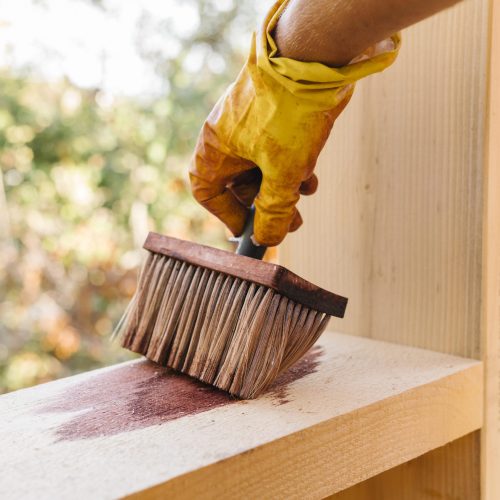
Sealants and paints create a protective layer or soak into the wood. This shields the wood from soaking up water and breaking down from the sun’s rays (UV), which slows down cracking and rot on the surface. For wood siding, oil-based sealants that soak in and good quality outdoor paints create strong layers that stop water from getting in and reflect UV rays.
For vinyl siding, special cleaners and paints made for vinyl keep it flexible and sticking well. Getting the surface ready the right way—cleaning, sanding, and priming if needed—makes sure the coatings stick well. If you skip this step, the paint or sealant will peel or bubble too soon. Putting on new coats regularly, as the product instructions say, keeps the protective layer working well through all seasons.
Here’s a helpful list of recommended coating types and how often to put them on again to plan your shed’s care.
- Oil-based sealants: Soak into wood and push away water; put on again every 2–4 years, depending on how much sun and weather it gets.
- Acrylic outdoor paints (UV-resistant): Make a protective layer and a color that lasts; repaint every 5–8 years.
- Thick coatings for walls with strong sun (Elastomeric): Give thick protective layers for very strong sun; check every 3–5 years.
Keeping these coatings in good shape stops water from getting in and means you won’t need to do big repairs. The next part talks about choosing products for Amish wood siding and the best ways to apply them.
How to Caulk Windows and Doors Right to Stop Water Leaks
Caulking creates a flexible seal where parts join and meet. This stops rain pushed by wind from getting in around windows and doors, which are common places for leaks in sheds. Use a caulk that you can paint over, is made for outdoors, and is either polyurethane or a mix of silicone and latex. It should be made to handle movement and sun (UV).
Smooth the caulk bead to make sure it sticks completely without gaps. Remove old, cracked caulk, clean the surfaces, and put a foam rod (backer rod) in deep gaps to keep the caulk from stretching too much. Check the caulking every year and fix any cracks or places where it’s not sticking right away. Good caulking works with metal strips (flashing) and drip edges (parts that guide water) to create a continuous way to manage water around openings. This also lowers moisture problems inside that could harm things stored in the shed or its structure.
Why Air Flow and Insulation Are Key to Making Your Outdoor Structures Last
Air flow (ventilation) and insulation help control the temperature and moisture inside your shed. This stops condensation that makes rot happen faster and damages finishes and stored items. Good air flow moves moist air out and stops water from getting trapped under roofs and floors.
Insulation keeps inside temperatures steady, which reduces freezing and thawing cycles and stress on materials from heat changes. Together, air flow and insulation lower the chance of mold, make hobby spaces more comfortable, and protect any machines inside. Choosing the right amount—like the size of vents at the eaves (soffit), roof peak (ridge), or gable ends, and the right R-value (insulation strength) for walls and roof—is very important to stop condensation and help your shed last a long time.
Good Ways to Get Air Flow in Your Shed to Stop Moisture
Simple air flow systems like vents under the roof edges (soffit vents), at the roof’s peak (ridge vents), and on the end walls (gable vents) use natural air movement to push moist air out of the attic or roof space. These are affordable for most sheds. Making sure the vents are the right size to allow air to flow continuously—air coming in low at the soffits and going out high at the ridges—stops still air pockets and condensation.
A good rule is to have equal amounts of intake and exhaust vent space for every square foot of roof. For sheds with a lot of moisture or heavy insulation, think about a small powered fan with a temperature/humidity sensor to actively push out moist air when it’s worst. Keep vents clear of debris and check insect screens to keep air flowing. Good venting works with insulation to keep the shed’s parts dry.
How Insulating Shed Walls and Roofs Makes Them Stronger Against Weather
Insulation slows down heat movement, keeps inside temperatures steady, and lowers the chance of condensation forming on cold surfaces. Without insulation, this condensation can cause rot and rust. Choices for insulation include fiberglass rolls with a moisture barrier on the warm side, stiff foam boards that add continuous insulation and stop heat from escaping through wood studs, or spray foam that both insulates and seals air gaps.
Each choice has different costs, ease of putting it in, and how well it handles moisture. When insulating, add layers to control moisture that fit your local weather. This helps manage how moisture moves and stops water from getting trapped inside the walls or roof. The right insulation makes the shed more comfortable all year, protects finishes from changes in temperature, and makes the roof and siding last longer.
Best Tips to Keep Your Outdoor Structures Weatherproof All Year
Regular checks and seasonal care are the easiest and cheapest ways to keep outdoor structures protected from weather and avoid expensive repairs. A steady schedule helps you deal with roof debris, gutters, caulking, paint touch-ups, vent checks, and base drainage. This catches small problems before they become big ones.
Use the seasonal checklist below to plan tasks like spring cleaning, summer checks, fall preparations, and winter checks that focus on snow and ice. Paying attention to these things regularly keeps your water control systems working and protects the value of a well-made Amish shed.
- Spring: Clean gutters, check the roof and metal strips (flashing), re-seal any exposed wood, and check the ground slope around the base for damage from winter.
- Summer: Trim plants nearby, check vents and screens, touch up paint and caulk if needed, and look for bugs.
- Fall/Winter Prep: Clean gutters, secure any loose trim, make sure downspouts send water away from the base, and check for possible problems with heavy snow.
Following this schedule lowers the risk of moisture problems and makes parts of your shed last longer. The next part talks about how to stop pests and find rot, which goes along with seasonal care.
Ready to Build Weather-Resistant Outdoor Structures?
Don’t let harsh weather compromise your outdoor structures. Our expert team is ready to help you design and build a durable, weatherproof shed tailored to your needs and local climate. Feel free to contact us online or call (304) 262-8222 for a free estimate. We serve Martinsburg, WV and the surrounding areas with custom amish sheds, lifestyle structures, barns, animal shelters, and more
