
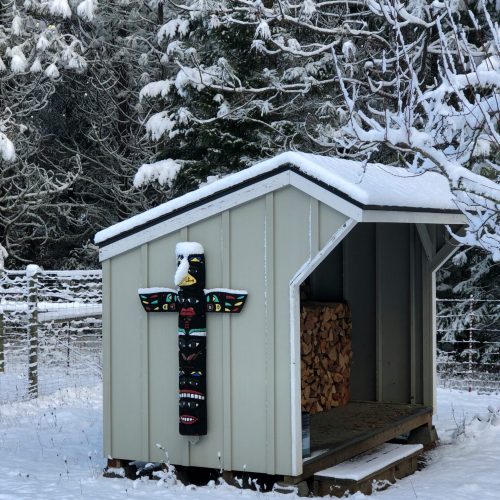
Winter can be a challenging season for outdoor structures, especially for Amish sheds that require proper maintenance to withstand harsh weather conditions. This comprehensive guide will provide you with essential tips and strategies for winter shed maintenance, ensuring your shed remains in excellent condition throughout the cold months. You will learn how to prepare your Amish shed for winter, protect its roof and foundation, insulate and weatherproof it, and prevent mold and pest issues. By following these guidelines, you can avoid costly repairs and extend the lifespan of your shed.
How Do You Prepare Your Amish Shed for Winter?
Preparing your Amish shed for winter involves several essential steps to ensure it can withstand the cold and snow. Proper preparation not only protects the structure but also preserves the items stored inside.First, inspect the roof and foundation, checking for any signs of damage or wear that could worsen during winter. Next, seal gaps and cracks using caulk or weatherstripping to seal any openings that could allow cold air or moisture to enter. Finally, clear debris from around the shed, removing leaves, branches, and other debris that can trap moisture and lead to rot.
What Are the Essential Winterizing Steps for Amish Sheds?
Winterizing your Amish shed involves a checklist of critical tasks to ensure its durability. Check insulation and weatherproofing to ensure that insulation is intact and that weatherproofing materials are in good condition. Additionally, inspect doors and windows for seals, making sure that all seals are tight to prevent drafts and moisture ingress. These steps are vital for maintaining a comfortable environment inside your shed during winter.
How Does Amish Craftsmanship Enhance Winter Readiness?
Amish craftsmanship plays a significant role in the winter readiness of sheds. The use of high-quality materials and traditional building techniques ensures that Amish sheds are built to last. This readiness is due to the durability of materials used, as Amish sheds are constructed with robust wood, often pine or oak, and vinyl that can withstand harsh weather conditions.
Furthermore, design features that mitigate winter damage, such as steeply sloped roofs, help prevent snow accumulation, reducing the risk of structural damage. These craftsmanship elements contribute to the longevity and resilience of your shed during winter.
What Are the Best Practices for Amish Shed Roof Care in Winter?
Taking care of your shed’s roof during winter is crucial to prevent damage from snow and ice. Proper roof maintenance can extend the life of your shed and protect its contents. This involves managing snow load effectively by regularly removing snow buildup to prevent excessive weight on the roof. Utilize regular snow removal techniques, such as using a roof rake to safely remove snow from the roof without causing damage.
It also includes preventing ice dams by ensuring proper insulation and ventilation to minimize the risk. Be aware of the signs of ice dam formation, looking for icicles hanging from the eaves, which can be an indicator.
When and How Should You Inspect and Clean Your Shed Roof and Gutters?
Establishing a regular inspection and cleaning schedule is essential for maintaining your shed’s roof and gutters. Inspect your roof and gutters at least once before winter and once after heavy snowfalls. Clear out leaves and debris to ensure proper drainage and prevent ice buildup. Regular maintenance will help avoid costly repairs and ensure your shed remains functional.
How Can You Protect Your Amish Shed Foundation from Winter Damage?
The foundation of your shed is critical for its stability and longevity. Protecting it from winter damage is essential. This protection involves frost heave mitigation techniques. Forst heave is the swelling of soil that occurs due to freezing water pushing soil, plants, and struture foundations upward, causing cracks and damage.
To mitigate frost heave, consider using insulation around the foundation to reduce the risk. Using a rigid foam insulation around the foundation to help keep the ground temperature stable. For foundation design considerations, ensure that the foundation is below the local frost line to avoid frost penetration.
Additionally, implement proper drainage solutions to ensure that water drains away from the foundation to prevent pooling and freezing. Begin by grading around the shed, ensuring the ground slopes away from the shed at a minimum of 5% grade (about 6 inches drop over 10 feet) to facilitate water runoff. Consider also installing French drains or gutters to direct water away from the foundation.
How Do You Insulate and Weatherproof Amish Sheds for Cold Winters?
Insulating and weatherproofing your Amish shed is essential for maintaining a comfortable environment during winter. For the best materials for insulation, use fiberglass batt insulation or rigid foam board insulation to keep the interior warm. Regarding weatherproofing methods, apply weather-resistant paint, stain, or sealants to protect the exterior wood from moisture.
What Are the Best Materials and Methods for Sealing Gaps and Cracks?
To effectively seal gaps and cracks, consider the following materials using silicone or polyurethane sealants for their durability and flexibility. Ensure surfaces are clean and dry before applying sealants for optimal adhesion.
Installing insulation and weatherstripping is a straightforward process that can significantly improve your shed’s winter performance. The materials needed for installation include insulation rolls or panels, weatherstripping tape or foam, and a utility knife. To avoid common mistakes, ensure that weatherstripping is applied evenly and that insulation fits snugly without compression to prevent gaps.
How Can You Prevent Mold and Pest Problems in Your Shed During Winter?
Mold and pests can thrive in damp conditions, making prevention essential during winter.
This involves implementing ventilation strategies to ensure proper ventilation and reduce moisture buildup inside the shed. Install vents or windows that can be opened to allow airflow and consider positioning them at the opposite ends of the shed to create cross-ventilation.
Additionally, employ pest deterrent methods by using natural repellents and sealing entry points to keep pests out. Inspect for common entry points for pests such as gaps around doors, windows, vents, and the foundation. As an effective deterrent, you can also use natural products like peppermint oil or diatomaceous earth.
What Are the Best Tips for Winterizing Shed Contents and Organizing Storage?
Properly winterizing the contents of your shed is just as important as maintaining the structure itself.This includes understanding how to store tools and equipment, by keeping tools off the ground and in waterproof containers to prevent rust. Also, be aware of items that need special care, removing any items that can freeze, such as paint or chemicals.
Ready to Find Your Perfect Backyard Shed?
If you’ve been searching for an outdoor Amish shed, our expert team is ready to help you find the perfect structure to fit your needs. Feel free to contact us online or call (304) 262-8222 for a free estimate. We serve Martinsburg, WV and the surrounding areas with custom amish sheds, lifestyle structures, barns, animal shelters, and more
