

An Amish shed is a well-made outdoor building that lasts a long time, can be changed to fit your needs, and is worth the money. This guide explains how to choose the right size, materials, and features for your yard and lifestyle. You will learn how to figure out what you’ll use it for, pick the right size, compare materials and looks, and plan for its base, permits, and how it will get to your yard.
The guide also covers ways to make it your own, both inside and out, so you can turn a shed into a workshop, home office, pet house, or a fun room. We’ll also talk about what makes sheds cost more, how to pay for them (like renting to own or getting a loan), and why Amish sheds are a good choice. This will help you feel sure about your decision. Keep reading for size charts, tables comparing materials, checklists for getting your yard ready and getting permits in Martinsburg and nearby areas, and clear steps to get a price or start building.
How Do I Determine the Right Purpose and Size for My Shed?
Knowing exactly what you’ll use your shed for helps you pick the right layout, features, and size. If you match its use to its size and how much room you need to move around, you’ll avoid problems. First, decide what you’ll mainly use it for—like storage, a workshop, an office, or a pet house. Then, count how many things you need to store and what activities you’ll do. This helps you figure out how big the shed really needs to be. Think about how easy it is to get to your yard, like how wide your gate is or if your yard is sloped. Getting the shed delivered and set up depends on this. If it’s hard to get to, it might cost extra for special delivery. If you plan for what you might need later and if the shed can be used for more than one thing, it will stay useful for a long time. This also means you won’t have to buy another shed later.
Common Shed Uses: Storage, Workshops, Home Offices, and More
What you use your shed for changes its floor plan, how much power it needs, and how it gets fresh air. Knowing its main use early on saves you money by avoiding changes later. Storage sheds are best with shelves, lofts (upper storage areas), and wide double doors for garden tools and things you use at different times of the year. Workshop sheds need strong floors, electricity, and good airflow to handle tools and dust. If you turn a shed into a home office, you’ll want good insulation, windows for sunlight, a way to heat or cool it (like an AC unit), and soundproofing so you can work comfortably. Pet houses and kennels need floors that are easy to clean and good airflow. Sheds turned into fun rooms, like art studios or hobby rooms, often have windows, skylights, and built-in storage to make them nice inside.
- Sheds are often used for storage, workshops, or home offices.
- Workshops need their own power lines, workbenches, and good airflow.
- Home offices need insulation, good lighting, and ways to control the temperature.
Knowing these uses helps you pick the right size. Here’s a quick checklist to help you decide.
Choose the Best Shed Size for Your Needs
To pick the right shed size, measure the biggest things you’ll put in it. Then, add extra space for walking around and working. This way, you won’t have problems when you set up the shed or when it’s delivered. Ask yourself: How big is my lawn mower? Do I need a workbench? Will I put in shelves or an upstairs storage area (loft)? Normal shed sizes work well for different uses: small sheds (like 6×8 to 8×10 feet) are for basic storage. Medium sheds (like 8×12 to 10×16 feet) are good for storage and a small workshop. Large sheds (12×20 feet or bigger) are for serious workshops or finished offices. If these don’t fit, you can get a custom size. Make sure you have at least 30 to 36 inches of clear space to walk in workshops or offices. Also, plan for doors wide enough for the biggest thing you’ll move into the shed.
- Measure big items: Write down how long, wide, and tall your equipment is.
- Add extra space: Plan 30–36 inches for walking paths and 6–8 feet for work areas.
- Pick a size: Choose a normal size if it works. If not, design a custom size.
The size you pick will naturally affect what materials and style you choose. We’ll talk about that next.
What Are the Best Shed Materials and Styles for Durability and Aesthetics?
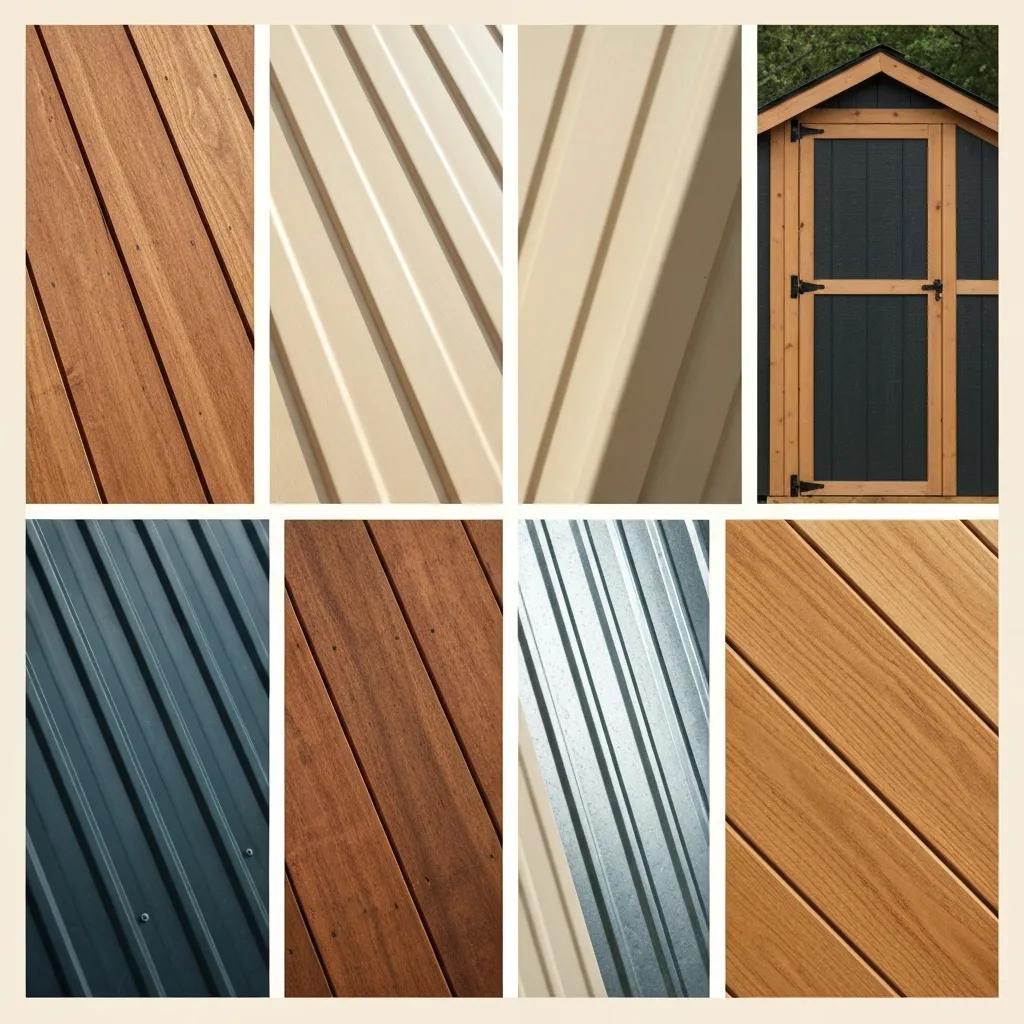
The material you pick affects how long the shed lasts, how much work it needs, its cost, and it’s appearance. Knowing what each material is good at helps you choose one that works for your weather and budget.
Wood looks classic and can be fixed, but it needs regular care. Vinyl doesn’t need much care but you can’t change its look much. Metal is cheap and resists fire, but it can dent and get water inside. Engineered materials that look like wood, last a long time, and need less care.
The material also decides things like trim, paint, and windows. It also works with the type of base (foundation) and how it’s delivered. So, think about both how it works and how it looks when you pick a style and finish. Here’s a quick comparison to help you choose materials before picking a style that looks good with your home.
| Material | How Long It Lasts | Care Needed | Cost | How It Looks | Best Use |
|---|---|---|---|---|---|
| Wood (solid) | Lasts long with care | Medium (paint/seal) | $$ | Classic, can be changed | Workshops, offices, nice-looking sheds |
| Vinyl | Lasts medium to long with care | Low (wash only) | $ | Clean, easy to care for | Simple storage, easy-care yards |
| Metal | Lasts medium to long with care | Low (can rust in some places) | $ | Industrial, modern look | Cheap storage, places with fire risk |
| Engineered Material | Lasts long with minimal care | Low to Medium | $$ | Looks like wood, less care | Multipurpose |
This table clarifies trade-offs and leads into how Amish craftsmanship enhances wood construction and material selection for longevity.
How Does Amish Craftsmanship Make Wood Sheds Better and Last Longer?
Amish builders make wood sheds better by picking good materials, joining pieces together carefully, and paying attention to the hidden parts. This makes sheds last longer and need less fixing. They often use wood treated to resist rot for the foundataion and floor supports. They use real plywood for floors and walls. They also build frames very tightly, which stops the shed from sagging and keeps water out over time.
These building choices mean stronger floors, fewer broken parts, and easier fixes compared to many sheds made in factories. Local stores that sell Amish sheds often offer these building methods along with ways to customize the shed. This gives buyers sheds that last and fit their exact needs.
At Rooster’s Amish Sheds, we use these old-school building standards—like treated wood, real plywood floors, and LP SmartSide options. This means their good work leads to sheds that last a long time, just as you’d expect, with fewer unexpected repairs.
What Are the Pros and Cons of Wood, Vinyl, Metal, and Engineered Materials?
This quick list of good and bad points helps you pick the right material for your weather, how much care you want to do, and your budget. Use these ideas to help you choose. Wood looks great, can be fixed, and is strong, but it needs to be painted or stained often. Vinyl needs almost no care, but you can’t change its color or trim much, and it can bend in very hot weather. Metal is cheap, easy to care for, and quick to put up. But it can dent and get water inside unless it’s insulated. LP SmartSide looks like painted wood and is better at resisting water and bugs. This makes it a good choice that’s in the middle.
- Wood: Good—can be fixed, classic look; Bad—needs regular care.
- Vinyl: Good—easy to care for; Bad—not many ways to change its look.
- Metal: Good—cheap, lasts long; Bad—water inside, not always pretty.
- LP SmartSide: Good—looks like wood, less care; Bad—costs more at first.
These material decisions shape style choices; popular Amish-built styles and their typical applications follow next.
Popular Shed Styles
Amish builders often make sheds that look good and work well. They offer styles that match your home and what you plan to use the shed for. A-frame and Quaker sheds have simple roofs and are cheaper for basic storage. Barn-style and gambrel roofs give you extra space upstairs (a loft) and a unique look, which is great for workshops or storage where you need room above.
Cape Cod, Colonial, and Dutch styles make your shed look nice from the street, perfect for backyard offices or finished rooms. Special custom styles let you add porches, small towers (cupolas), and trim that match your house. Pick a style that works with your inside plans—lofts for storage, higher walls for work areas, and dormers or bigger windows for offices. These style choices naturally lead to customization decisions for interior and exterior features.
Customizations to Fit Specific Needs and Lifestyles
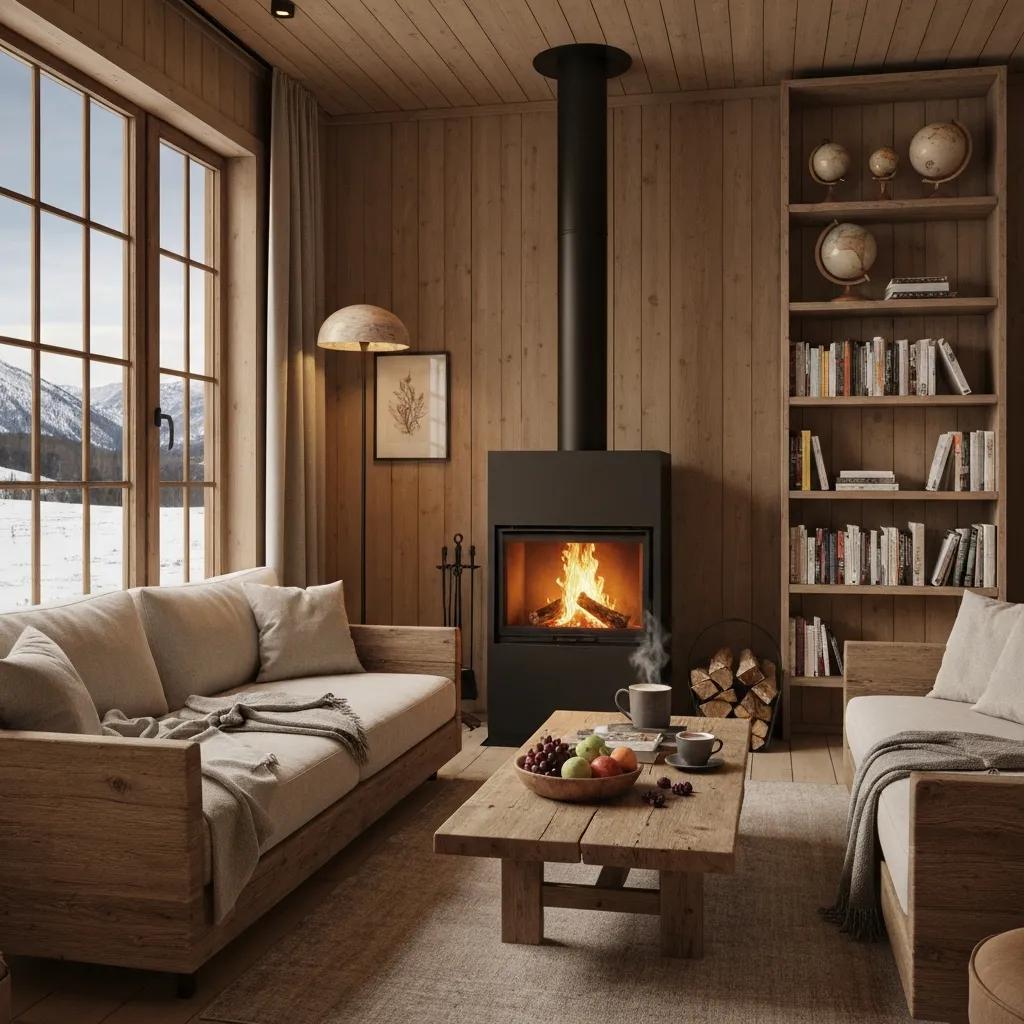
Making a shed your own turns a simple building into a useful workspace, office, pet house, or fun room. Picking the right changes depends on what you’ll use it for, how much money you have, and the weather where you live. Inside changes focus on insulation, electricity and lights, lofts and shelves, and built-in workbenches to help with what you’ll do in the shed.
Outside changes include picking doors and windows, roof colors and materials, ramps or porches, and decorative trim. These affect how the shed looks and how well it works. Choosing options carefully makes sure the finished shed follows local rules, has useful space inside, and works for your long-term plans.
Interior Features and Add-Ons
Inside packages turn an empty shed into a comfortable, useful space by adding heating/cooling, power, storage, and making it easy to work in. Insulation and vapor barriers (to block moisture) let you use the shed as an office or studio all year. They work with heating/cooling systems (like AC units) to control the temperature. Electrical packages give you power for lights, outlets, and workshop tools. Better lighting makes it easier to do detailed work and feel comfortable working from home. Built-in lofts, shelves, and cabinets let you store more things up high and keep the floor clear. Stronger floors protect against heavy tools and equipment.
- Insulation & AC/Heat ready: Makes it comfy to use as an office or studio all year.
- Electricity & lights: Powers tools, computers, and brightens work areas.
- Lofts & built-in storage: Gives you more space without making the shed bigger.
These inside choices affect what kind of base you need and how the shed will be delivered. So, plan your inside features before you finish getting your yard ready.
Exterior Customizations Like Doors, Windows, and Roof Colors
Outside choices make your shed look better and work better. They also help with energy and getting equipment in. So, pick features that are both good-looking and useful. Doors can be single, wide double doors, or roll-up doors. The door opening should be wide enough for the biggest thing you plan to move into the shed. Where you put windows helps bring in sunlight and fresh air. Windows that open help cool the shed in summer and air out workshops. The roof color and material affect how much heat the shed absorbs and how it looks. Lighter colors reflect heat, while darker shingles give a classic look. Gutters help control rainwater and protect the sides of the shed.
- Pick a door width that fits your equipment.
- Put windows where they let in the most light but still leave room for shelves on walls.
- Choose a roof color that saves energy and looks good with your house.
Outside changes also connect with local rules and the type of base you choose, which we’ll talk about next.
Important Things to Know About Shed Bases, Permits, and Delivery?
The shed’s base, permits, and how it gets delivered are important things that affect cost, how long it lasts, and how long it takes. Dealing with these early means fewer surprises. The base you pick affects how water drains, how level the shed is, and how much weight it can hold. It should match what you’ll use the shed for. Concrete or wood bases are good for heavy workshops, while gravel pads and skids work for simple storage.
You often need permits based on the shed’s size, if it has a permanent base, and if it has electricity or water. Local building offices and homeowner associations (HOAs) might have different rules. How easy it is to deliver—like how wide your gate is, if there are things overhead, and how strong your driveway is—decides if a normal delivery can happen or if special equipment is needed.
Here’s a table comparing common types of shed bases to help you pick the best one for your yard and what you’ll use the shed for.
| Base Type | Cost | Yard Work Needed | Water Drainage | How Long It Lasts | Best For |
|---|---|---|---|---|---|
| Concrete slab | $$$ | Lots of work, level ground, build a frame | Very Good | 25+ years | Workshops, offices, sheds that stay put |
| Gravel pad | $ | Some leveling and packing dirt | Good | 10–20 years | Storage, light sheds |
| Wood base / Treated wood skid | $$ | Little work, level blocks | Good if raised | 10–20 years | Sheds you can move, easier to move |
| Concrete posts (piers) | $$ | Digging and concrete supports | Very Good | 20+ years | Bumpy yards, small concrete base |
Foundation Types and Shed Uses
The best base depends on how heavy the shed is, if it will stay put, and your yard’s conditions. Pick a base that matches the shed’s weight, what you’ll do inside, and how water drains. Heavy workshops with machines usually need a concrete slab or a strong wood base on packed gravel. This stops the shed from sinking. Sheds just for storage can sit on gravel pads or treated wood skids. These let air flow underneath and make it easy to move the shed. If your yard is sloped or bumpy, concrete posts (piers) or levelers mean less digging while still giving a strong base. Good drainage—like sloping the ground away from the shed and adding gutters—makes the shed last longer and protects its materials.
- For bumpy yards: think about concrete posts or special supports.
- For heavy tools: pick a concrete slab.
- For light storage and moving: pick a treated wood skid.
Picking the right base affects if you need local permits, which we’ll talk about next.
Permit Requirements in Eastern Panhandle WV and Surrounding Areas
Permit rules are different in each county and town. But you usually need a permit if the shed is a certain size, has a permanent base, has electricity or plumbing, or is too close to your property line. Check with your local building office for exact rules. Usually, small, movable storage sheds under a certain size might not need a permit. But any building with a permanent base, electricity, or plumbing almost always needs a permit and an inspection. Homeowner associations (HOAs) might have extra rules about how your shed looks, its color, or where it’s placed. You might need their approval. Call your county or city building office for the exact rules. Be ready to show them plans of your yard, details about the shed’s base, and its planned size when you ask for approval.
- When you need a permit: shed size, permanent base, electricity/water.
- HOA checks: You might need approval for how it looks and where it goes.
- Next step: Check with your local building office before you order.
Knowing about permits and bases helps you plan your money better and avoid delays. This leads us to pricing and payment options, which we’ll cover next.
Pricing and Payment Options
The price of an Amish shed depends on its size, materials, base, custom changes, how far it’s delivered, and how much work your yard needs. Knowing these things helps you get correct prices. Bigger sheds, better materials like engineered wood or real plywood floors, finished insides with insulation and electricity, and permanent concrete bases all make the basic price higher.
If the shed needs to be delivered far away, if it’s hard to get to your yard (needing special tools), or if your yard needs a lot of work, these will add extra costs. Getting a few prices for the same shed helps avoid surprises and shows you how different companies charge. Here are the main things that affect the cost when you’re planning your budget.
- Size: Bigger sheds need more materials and work, so they cost more.
- Materials: Special siding or real plywood floors make the basic cost higher.
- Base and yard work: Concrete bases and leveling the ground add a lot to the cost.
- Custom changes and utilities: Insulation, being ready for AC/heat, and electrical work raise the price.
- Delivery: Delivering far away or to a tight spot can add fees.
Ready to Find Your Perfect Backyard Shed?
If you’ve been searching for an outdoor Amish shed, our expert team is ready to help you find the perfect structure to fit your needs. Feel free to contact us online or call (304) 262-8222 for a free estimate. We serve Martinsburg, WV and the surrounding areas with custom amish sheds, lifestyle structures, barns, animal shelters, and more
