
If you’re in the market for Amish storage sheds, you’ve probably already picked out your favorite style and size. But one of the most important decisions comes before your shed even arrives — choosing the right foundation.
Your shed foundation does more than just hold the structure in place. It helps prevent sagging, protects your investment from water damage, and keeps the floor level and secure for years to come.
At Rooster’s Amish Sheds, we proudly serve the Panhandle of West Virginia, Northern Virginia, and Western Maryland. Whether you’re building on a flat lawn in Frederick, a sloped yard in Charles Town, or a gravel lot in Winchester, we’re here to help you understand your options and choose the best foundation for your needs.
Let’s break it down: gravel, concrete, or blocks — which is right for you?
Why Does a Shed Foundation Matter?
No matter what kind of shed you buy, a proper foundation is essential. Without one, your shed might:
- Settle unevenly or become unstable
- Allow water to pool underneath, causing rot or mold
- Warp or crack under pressure
- Void the warranty on certain Amish storage sheds
Think of your shed foundation like your home’s foundation — it’s the base that supports everything else. The right choice can make your shed last longer, look better, and work the way you need it to.
Option 1: Gravel Foundation
What It Is:
A gravel foundation is made by digging a shallow area and filling it with crushed stone or gravel, typically around 4–6 inches deep. The gravel is leveled and compacted to form a strong, well-draining base.
Pros:
- Affordable and easy to install
- Excellent drainage (keeps water away from the shed floor)
- Naturally levels uneven ground
- Works great for pre-built sheds delivered fully assembled
Best For:
- Sheds up to 12’x24′
- Storage sheds, garden sheds, and workshops
- Yards with decent drainage
Ideal Locations:
Gravel foundations are a popular choice in Martinsburg, WV, Leesburg, VA, and Hagerstown, MD, where customers want a strong base without the cost of concrete.
Pro Tip:
Make sure your gravel pad is wider and longer than the shed by at least one foot on each side to allow for proper drainage and ventilation.
Option 2: Concrete Slab Foundation
What It Is:
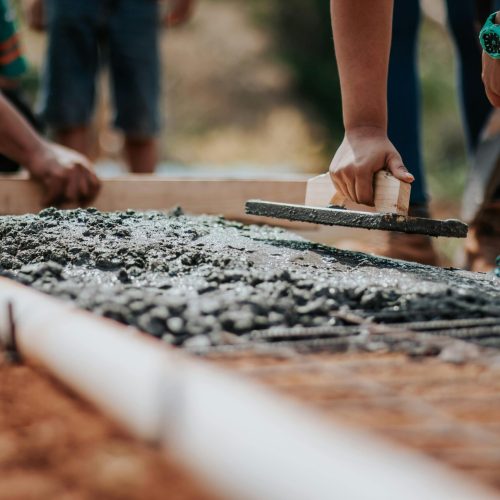
A concrete foundation is a flat, solid pad made by pouring concrete into a prepared frame. It is usually 4–6 inches thick and reinforced with steel rebar or mesh.
Pros:
- Incredibly strong and permanent
- Best choice for heavy-duty sheds
- Helps prevent animals from burrowing underneath
- Can be used with larger structures like garages and cabins
Best For:
- Sheds used as workshops or garages
- Amish storage sheds with built-in flooring or no floor at all
- Areas with soft or sandy soil
Ideal Locations:
Concrete is commonly chosen in areas like Frederick, MD or Front Royal, VA, where customers are building larger sheds or plan to keep equipment, vehicles, or heavy machinery inside.
Pro Tip:
Make sure your concrete slab is perfectly level and slightly larger than the shed footprint to avoid water damage and make installation easier.
Option 3: Concrete Blocks or Piers
What It Is:
This foundation involves placing concrete blocks or deck piers at key points under the shed’s floor joists. These blocks are usually set on crushed stone and spaced to provide even support.
Pros:
- Budget-friendly
- Quick to install
- Good option for temporary sheds
- Raises the shed off the ground for air circulation
Best For:
- Smaller sheds (10’x16’ or smaller)
- Portable or seasonal use
- Properties with limited access for heavy equipment
Ideal Locations:
In rural or uneven areas like Harpers Ferry, WV or Cumberland, MD, blocks are a great option when you need a quick, no-dig setup.
Pro Tip:
Use a laser level or string level to make sure each block is even — an uneven base can lead to structural issues later on.
Foundation Tips from Rooster’s Amish Sheds
We’ve installed thousands of Amish storage sheds across the Panhandle of West Virginia, Northern Virginia, and Western Maryland. Here are a few things we always tell our customers:
1. Level Ground is Key
A level base is one of the most important parts of a good foundation. Even the strongest shed can have problems if it’s placed on uneven ground.
2. Don’t Skip the Planning
Before we deliver your shed, make sure to check local zoning laws or permit requirements — especially in cities like Winchester, VA or Shepherdstown, WV, where regulations can vary.
3. Think Long-Term
If you plan to grow your storage space or add onto your shed later, choose a foundation that supports your future plans — not just your current needs.
We Can Help Every Step of the Way
At Rooster’s Amish Sheds, we do more than just deliver high-quality sheds — we help our customers make smart, lasting decisions. When you work with us, we’ll guide you through the entire process:
- Choosing the right shed for your space
- Picking a foundation that fits your budget and goals
- Ensuring your shed is delivered and installed with care
Whether you’re in Martinsburg, Leesburg, or Frederick, our team is ready to help you build a shed that stands strong for years to come.
Ready to Get Started?
If you’re looking for Amish sheds near me and want something built with craftsmanship and care, Rooster’s Amish Sheds is your go-to choice.
Explore our collection of custom Amish storage sheds, garages, and cabins — and get the expert advice you need to make the right foundation choice.
Call now or visit RoostersAmishSheds.com to schedule your consultation, request a quote, or get help with foundation options in your area. We proudly serve the Panhandle of West Virginia, Northern Virginia, and Western Maryland — and we’re ready to bring quality, comfort, and function right to your backyard.
