
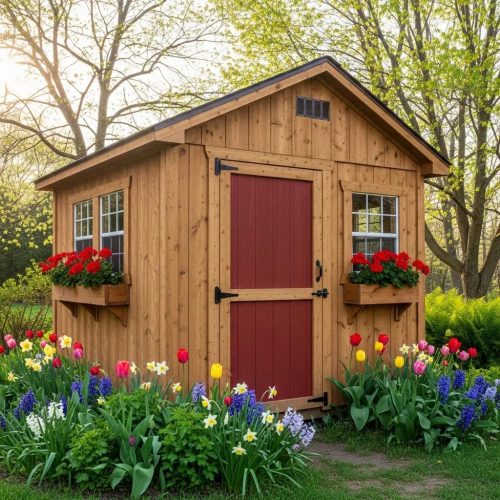
Proper shed maintenance not only extends the life of your structure but also ensures it remains functional and aesthetically pleasing. As the winter months fade away, spring presents the perfect opportunity to assess and maintain your outdoor storage shed.
Explore essential tips for shed maintenance in spring, including necessary tools, best practices, and seasonal considerations. By following these guidelines, you can protect your investment and enjoy your outdoor space to the fullest.
Essential Tips for Shed Maintenance in Spring
Maintaining your shed in spring is crucial for its longevity and functionality. Regular inspections and maintenance can prevent minor issues from escalating into costly repairs. It is important to inspect the exterior for any signs of wear, such as cracks or peeling paint, which can lead to further deterioration.
Checking the roof for debris like leaves and branches is essential to prevent water accumulation and potential leaks. Additionally, ensuring proper drainage around your shed helps avoid flooding and foundation issues. Following these tips will help maintain the integrity of your shed and enhance its durability.
Necessary Tools
To effectively maintain your shed, having the right tools is essential. Basic tools such as a hammer, screwdriver set, and pliers are fundamental for any repairs that may arise. Cleaning supplies including a broom, pressure washer, and mild detergent will help keep the exterior clean and free from mold or mildew. For inspecting hard-to-reach areas like the roof and foundation, a ladder and flashlight are crucial. Equipping yourself with these tools will make the maintenance process smoother and more efficient.
Best Practices
Establishing a routine for shed maintenance can significantly enhance its lifespan. Creating a seasonal checklist that outlines tasks to be completed each season ensures nothing is overlooked. When making repairs or upgrades, it is advisable to use high-quality materials that can withstand the elements. If your shed is older, consider upgrading features such as insulation or ventilation to improve its functionality. Implementing these best practices will not only keep your shed in excellent condition but also enhance its overall value.
Seasonal Considerations
Spring brings unique challenges and opportunities for shed maintenance. It is important to focus on cleaning after winter by removing any debris that has accumulated over the colder months to prevent damage and maintain cleanliness.
Being mindful of weather changes is also crucial, as spring weather can be unpredictable; ensuring your shed is prepared for sudden rain or temperature fluctuations will help protect it. Additionally, implementing pest prevention methods by checking for signs of pests and taking preventive measures will safeguard your shed from infestations.
By addressing these seasonal factors, you can ensure your shed remains a safe and functional space throughout the year.
How Do You Prepare Your Amish Shed for Spring Cleaning?
Preparing your Amish shed for spring cleaning involves a few straightforward steps. Start by removing all items from inside the shed to allow for a thorough cleaning. Dust and wipe down surfaces, and check for any signs of moisture or pests. Once the interior is clean, inspect the exterior for any necessary repairs. This preparation sets the stage for effective maintenance and ensures your shed is ready for the upcoming season.
What Are the Key Steps in Spring Shed Cleaning?
Spring shed cleaning is essential for maintaining a functional and organized space. The key steps include emptying the shed by removing all items to access every corner for cleaning. Next, clean surfaces using a broom and mild detergent to clean walls, floors, and shelves thoroughly. Finally, inspect for any signs of wear or damage that need addressing. Following these steps will help you maintain a clean and organized shed, making it easier to find and store your items.
Which Tools and Materials Are Best for Outdoor Storage Upkeep?
When it comes to outdoor storage upkeep, using the right tools and materials is crucial. Weatherproofing sealants protect your shed from moisture and extend its lifespan. Quality exterior-grade paints are recommended as they can withstand the elements effectively. Durable fasteners such as rust-resistant screws and nails ensure long-lasting repairs. Investing in these materials will enhance the durability and appearance of your shed.
What Are the Best Wood Weatherproofing Techniques for Spring?
Weatherproofing your shed is vital for protecting it from the elements. Effective techniques include applying a weatherproof sealant, which creates a barrier against moisture and prevents wood rot. Using quality exterior paint not only enhances appearance but also provides an additional layer of protection.
Regular maintenance is important, so reapplying sealants and paints as needed will help maintain this protection. These techniques will help ensure your shed remains in excellent condition throughout the seasons.
How Does Wood Treatment Protect Amish Sheds from Seasonal Damage?
Wood treatment is essential for protecting Amish sheds from seasonal damage. By applying treatments such as sealants and stains, you can prevent moisture absorption, which leads to rot and decay.
Additionally, these treatments enhance the wood’s natural beauty while providing a protective barrier against UV rays and pests. Regular treatment ensures that your shed remains durable and visually appealing.
Which Eco-Friendly Weatherproofing Options Are Available?
For those looking to maintain their sheds sustainably, several eco-friendly weatherproofing options are available. Natural oils like linseed oil provide a protective barrier while being environmentally friendly.
Water-based sealants are less toxic and still offer excellent protection against moisture. Additionally, using recycled materials such as recycled wood for repairs and upgrades is an option. Choosing eco-friendly options not only protects your shed but also contributes to environmental sustainability.
How Can You Inspect and Repair Your Amish Shed Effectively in Spring?
Effective inspection and repair of your Amish shed involve a systematic approach. Begin with a thorough visual inspection of both the exterior and interior, looking for signs of damage such as cracks, leaks, or pest infestations.
Once identified, prioritize repairs based on severity. Using quality materials for any repairs will ensure longevity. Regular inspections and timely repairs will keep your shed in optimal condition.
What Are Common Amish Shed Repair Tips for Roofs and Foundations?
Maintaining the roof and foundation of your Amish shed is crucial for its overall stability. Regularly checking the roof for missing shingles or leaks and replacing them promptly is important.
Ensuring the foundation is level and free from cracks, and addressing any issues immediately, will prevent further damage. Keeping gutters clear by cleaning them regularly ensures proper drainage and prevents water damage. By following these tips, you can maintain the structural integrity of your shed.
How Does Custom Shed Maintenance Differ from Standard Care?
Custom shed maintenance often requires a more tailored approach compared to standard care. Custom sheds may have unique features or materials that necessitate specific maintenance techniques.
For instance, specialized finishes or custom-built components may require specific cleaning products or repair methods. Understanding these differences ensures that your custom shed receives the appropriate care it needs to remain functional and beautiful.
Ready to Find Your Perfect Backyard Shed?
If you’ve been searching for an outdoor storage shed, our expert team is ready to help you find the perfect structure to fit your needs. Feel free to contact us online or call (304) 262-8222 for a free estimate. We serve Martinsburg, WV and the surrounding areas with custom amish sheds, lifestyle structures, barns, animal shelters, and more
